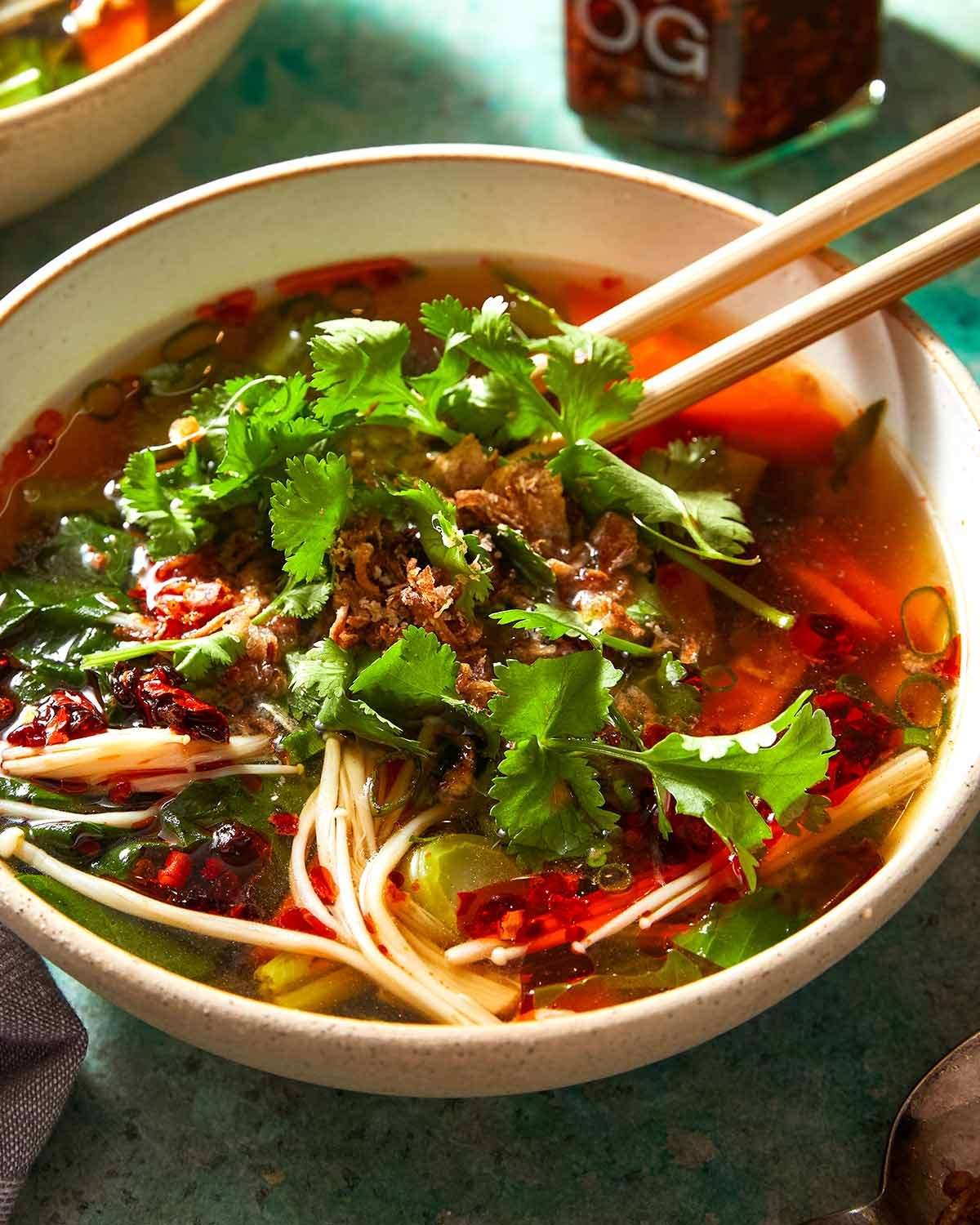
Beat Meal Fatigue with the Ultimate Chinese Vegetable Noodle Soup
In a world often defined by culinary complexity, the simple truth is that sometimes, we just need something easy, nourishing, and deeply satisfying. Enter the Chinese vegetable noodle soup – a humble yet profound dish emerging as a true hero in the battle against what we call "meal fatigue." This isn't your grandma's elaborate Sunday dinner or a restaurant-style wonton extravaganza; it's a testament to intentional simplicity, designed for functional comfort that restores rather than overindulges. Think clear, aromatic broths, vibrant vegetables, and perfectly chewy noodles, all coalescing in a single pot to deliver a meal that's as quick to prepare as it is genuinely good for you.
Life today demands efficiency, and our meals are no exception. From grueling morning meetings to demanding workouts, our bodies crave sustenance that is both gentle and effective. This light, fiber-forward soup offers a unique blend of rehydration, essential nutrients, and a calming visual appeal that encourages mindful eating. Its versatility shines through, easily adaptable for plant-forward, vegan, gluten-free (using rice or mung bean noodles), or even low-carb lifestyles (shirataki or spiralized zucchini), making it a true universal comfort.
Why This Soup is Your New Weekday Hero: The Rise of Functional Comfort
The quiet ascent in popularity of "quick Chinese vegetable noodle soup" isn't a fleeting trend; it’s a response to fundamental shifts in how we approach our daily meals. Modern eaters are seeking more than just flavor; they crave intentionality, control, and a sense of functional well-being from their food.
Escaping the Meal Kit Maze
The novelty of multi-step recipes and complex meal kits can quickly wear thin. Many of us find ourselves yearning for single-vessel, sub-20-minute meals that don't compromise on the feeling of having cooked something "real." This chinese vegetable noodle soup fits the bill perfectly, offering a delicious escape from decision fatigue without resorting to bland, uninspiring options. It’s a return to the basics, where clarity of flavor and structural integrity of ingredients (no mushy greens, no gummy noodles!) take center stage.
Mindful Broth Building: Taking Control of Your Comfort
A growing awareness of the staggering sodium content in many store-bought broths has led to a greater desire for seasoning control. People are prioritizing building broth flavor from scratch, even if it's just with rehydrated dried mushrooms, aromatic ginger, and a dash of toasted sesame oil. This approach allows for a cleaner, more personalized flavor profile, ensuring your comfort food isn't secretly packing an unhealthy punch. It's about empowerment in your own kitchen, crafting a base that truly nourishes.
Fiber-Forward Fuel: Beyond Empty Carbs
The quest for sustained energy and satiety has shifted preferences towards fiber-forward, low-glycemic carbohydrate sources. Wheat noodles, with their satisfying chew and robust texture, are now chosen for their ability to provide lasting fullness, unlike refined rice noodles that can dissolve too easily in hot liquid. This isn't comfort food born of nostalgia; it’s comfort food as functional rhythm – something you can return to reliably, time and again, without the mental burden of complex choices. It’s a proactive step towards sustained well-being.
Crafting Your Perfect Bowl: Ingredients for Intentional Simplicity
The beauty of chinese vegetable noodle soup lies in its adaptable yet fundamental components. Each ingredient plays a crucial role in achieving that balanced bowl of clarity, contrasting textures, and vibrant whole vegetables.
The Broth Base: Clarity and Depth
Start with water or a very low-sodium vegetable broth. The real magic comes from building flavor. Dried shiitake mushrooms, once rehydrated, lend a deep umami. Combine these with thinly sliced fresh ginger, smashed garlic cloves, and the white parts of scallions. For an extra layer of savory depth, a small piece of kombu (dried kelp) can work wonders, especially if you're aiming for a broth-first method. A drizzle of toasted sesame oil added at the beginning or end can also amplify the aroma and richness without heaviness.
Vibrant Veggies: Seasonal Stars & Pantry Staples
Choose quick-cooking vegetables that offer both flavor and visual appeal. Excellent choices include:
- Leafy Greens: Bok choy (especially baby bok choy), spinach, napa cabbage, or even kale (added earlier to soften).
- Mushrooms: Fresh shiitake, enoki, oyster, or cremini mushrooms add earthy notes and texture.
- Root Vegetables: Thinly sliced carrots, daikon radish, or even parsnips for a subtle sweetness and crunch.
- Other Favorites: Bean sprouts for freshness, snap peas for a crisp bite, or thinly sliced bell peppers for color.
The key is to cut them uniformly and add them in stages, ensuring delicate greens don't turn to mush while harder vegetables cook through.
Noodles That Nudge: Texture and Satiety
The right noodles are crucial for that satisfying chew. Opt for wheat-based varieties like:
- Udon: Thick, chewy, and incredibly satisfying.
- Ramen: Classic springy texture.
- Soba: Buckwheat noodles offering a slightly nutty flavor (often gluten-free, check labels).
For dietary adaptations, consider:
- Rice Vermicelli or Flat Rice Noodles: For a lighter, gluten-free option. Be careful not to overcook them.
- Shirataki Noodles: Zero-calorie, low-carb alternative with a unique texture.
- Spiralized Zucchini or Cucumber: A fresh, very low-carb choice, best added at the very end.
Aromatic Alchemy: The Flavor Foundation
Beyond ginger and garlic, a few simple additions elevate your soup: a dash of white pepper for a subtle kick, a high-quality soy sauce or tamari for umami and seasoning, and a splash of rice vinegar at the very end for brightness. Fresh cilantro, sliced scallion greens, or a sprinkle of chili flakes make perfect garnishes, adding a final flourish of flavor and visual calm.
Mastering Your Method: Broth-First vs. One-Pot Rapid-Boil
Depending on your time and energy, there are two primary approaches to preparing your quick chinese vegetable noodle soup. Each offers distinct trade-offs in terms of flavor depth, texture, and convenience. To dive deeper into these techniques, explore Broth-First or Rapid-Boil: Master Your Chinese Veg Noodle Soup Method.
The Broth-First Approach: For Deeper Umami and Batch Prep
This method prioritizes a deeply flavored, clear broth. You'll begin by simmering your aromatics – dried shiitakes, ginger, scallion whites, and kombu – in water for 10-15 minutes. This gentle simmer extracts maximum umami and creates an incredibly clean base. After straining (optional, but enhances clarity), you add your hard vegetables, then your noodles, and finally, your delicate greens for just a minute or two until barely wilted.
- Pros: Unbeatable umami, exceptional broth clarity, and the ability to batch-prep broth for multiple servings or other dishes.
- Cons: Adds 10-15 minutes to your total cooking time and risks overcooking delicate greens if not timed precisely.
- When to choose: If you appreciate the nuanced depth of a patiently built broth, regularly make multiple servings, or are not in a frantic rush.
The One-Pot Rapid-Boil: Speed, Simplicity, and Sustenance
When time is of the essence, the rapid-boil method is your best friend. Combine water or low-sodium broth, aromatics (ginger, garlic), and hard vegetables (carrots, daikon) in a pot and bring it to a rolling boil. Then, add your noodles and softer vegetables (like bok choy or spinach) last, cooking just until the noodles are al dente and the greens are vibrant. The entire process can be under 10 minutes.
- Pros: Fastest path to the table, minimal cleanup, and perfect for when energy or focus is low – perhaps after travel or a late workday.
- Cons: The broth will have less layered depth compared to the broth-first method, and noodles may absorb too much liquid if not timed precisely.
- When to choose: When your goal is immediate hydration and light sustenance, or if you simply need dinner on the table in under 12 minutes. This method is incredibly forgiving when you just need to eat!
Whichever method you choose, remember that the core principles remain: fresh ingredients, thoughtful seasoning, and a focus on balancing textures. For an excellent, versatile recipe, check out The 20-Minute Chinese Veg Noodle Soup: Simple, Healthy & Flavorful.
Beyond the Basic Bowl: Customization and Enhancements
While the classic chinese vegetable noodle soup is a marvel of simplicity, it also serves as an excellent canvas for customization. Elevate your bowl with these thoughtful additions:
Protein Power-Ups:
- Tofu: Silken tofu adds creaminess; firm or extra-firm tofu, lightly pan-fried or baked, offers a satisfying bite.
- Tempeh: Marinate and pan-fry for a hearty, fermented protein boost.
- Eggs: A perfectly soft-boiled egg, sliced in half, adds richness and a beautiful aesthetic.
- Edamame: Shelled edamame beans can be added towards the end for a pop of color and protein.
Spice it Up:
- Chili Oil: A drizzle of homemade or store-bought chili oil for warmth and depth.
- Sriracha or Gochujang: For direct heat and a touch of fermented flavor.
- Fresh Chilies: Thinly sliced bird's eye chilies or serranos for a vibrant, fresh heat.
Acidic Brightness:
A final splash of rice vinegar, lime juice, or even a squeeze of lemon just before serving can cut through richness and brighten all the flavors, making the soup feel even more refreshing.
Garnishes Galore:
Don't underestimate the power of a good garnish. Toasted sesame seeds, crispy fried shallots, a handful of fresh herbs like cilantro or mint, or even a scattering of nori strips can add texture, aroma, and visual appeal, signaling an intentional, comforting meal.
Embrace Your Functional Comfort
The Chinese vegetable noodle soup is more than just a recipe; it's a philosophy for modern eating. It stands as a beacon of functional comfort, offering a delicious, healthy, and incredibly efficient solution to the complexities of daily life. By embracing its intentional simplicity, you're not just cooking a meal; you're cultivating a rhythm of nourishment that supports your well-being, fights meal fatigue, and provides a reliable, decision-free source of warmth and restoration. So, next time you're seeking solace in a bowl, remember the understated power of this quick, healthy, and utterly satisfying soup.
