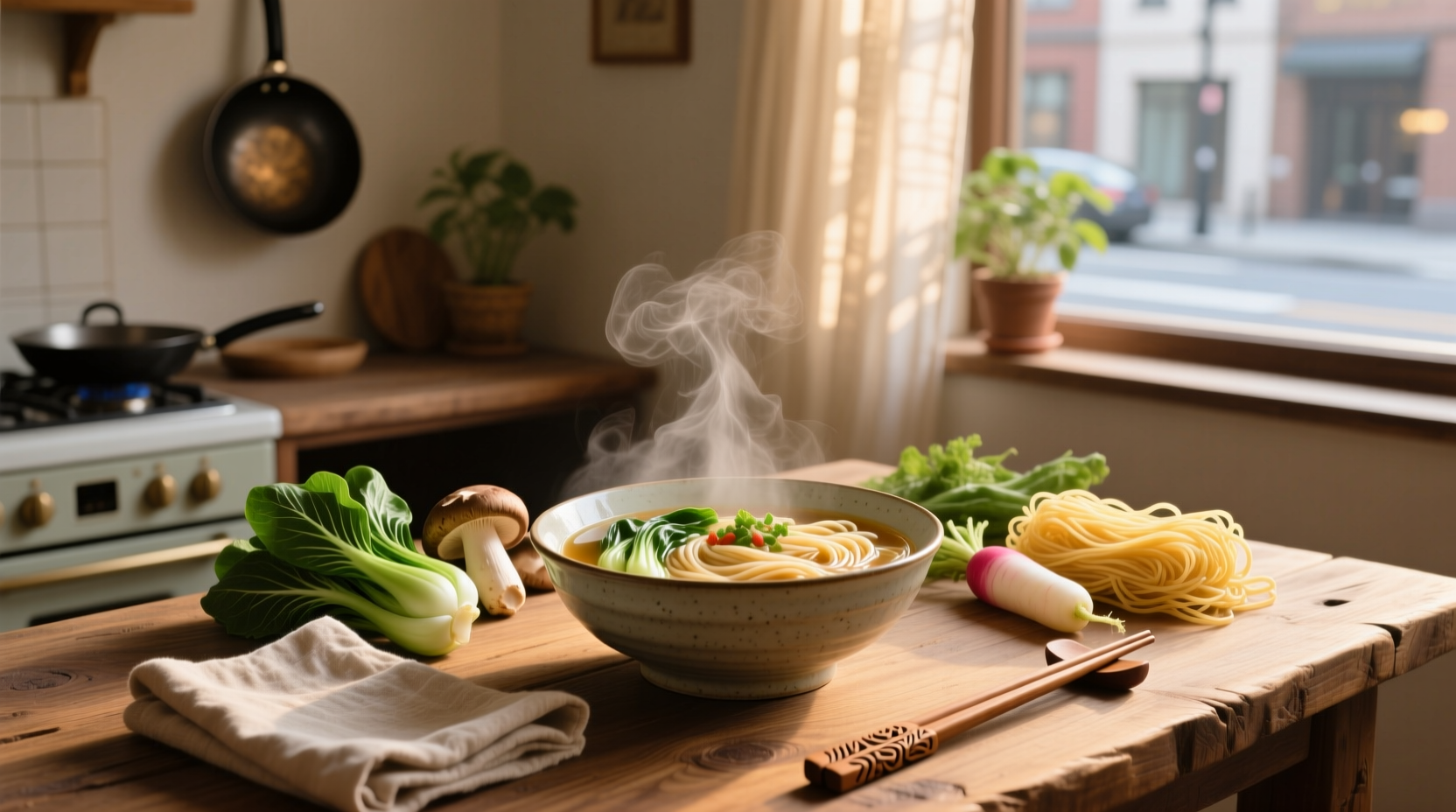
Broth-First or Rapid-Boil: Master Your Chinese Veg Noodle Soup Method
In the realm of nourishing, effortless meals, few dishes rival the elegance and versatility of Chinese vegetable noodle soup. This isn't your elaborate, long-simmered restaurant-style wonton or beef noodle soup; instead, it's a testament to intentional simplicity. At its heart, this one-pot wonder celebrates seasonal or pantry-stable vegetables, quick-cooking noodles, and a fragrant chorus of aromatics like fresh ginger, garlic, and savory fermented soy derivatives. Its defining qualities are crystal-clear broth, crisp structural integrity across all components – no mushy greens or gummy noodles here – and a harmonious balance of flavors that truly sings.
Think of it as the ultimate culinary antidote for a busy lifestyle. Whether it’s a revitalizing weekday lunch after a string of morning meetings, a gentle post-workout rehydration with wholesome fiber, or a mindful evening meal where visual calm and vibrant greens encourage slower, more appreciative eating, this soup consistently delivers. Its inherent adaptability further broadens its appeal, effortlessly accommodating plant-forward diets, going gluten-free with rice or mung bean noodles, or even low-carb with shirataki or spiralized zucchini. A perfectly balanced bowl isn't just delicious; it’s a vibrant tapestry of clear broth, contrasting textures, and visible whole vegetables that signal freshness and thoughtful preparation.
The Growing Appetite for Quick Chinese Vegetable Noodle Soup
The rising search volume for "quick Chinese vegetable noodle soup" isn't a fleeting viral sensation; it reflects significant shifts in our culinary landscape and lifestyle priorities. We’re witnessing a collective pivot towards meals that offer both convenience and a sense of purpose.
Firstly,
meal fatigue has become a pervasive issue. The complexity of multi-step recipes and the endless components of some meal kits have driven a demand for single-vessel, sub-20-minute meals that still feel deliberate and satisfying. This soup perfectly fits that niche, providing a delicious escape from decision paralysis. It’s a functional rhythm, something you can reliably return to without the mental load of intricate cooking. If you're looking to beat this common hurdle, exploring recipes like
Beat Meal Fatigue: Quick Chinese Vegetable Noodle Soup for Functional Comfort can provide even more inspiration.
Secondly, a heightened awareness of sodium content in store-bought broths – some exceeding 800mg per cup – has led many home cooks to prioritize seasoning control. Users are increasingly opting to build broth flavor from scratch, even if it's as simple as rehydrating dried shiitake mushrooms and toasting a splash of sesame oil, ensuring a cleaner, more personalized taste profile.
Finally, there’s a growing preference for fiber-forward, low-glycemic carbohydrate sources. Wheat noodles, for instance, are chosen not merely for indulgence but for their satisfying chew and lasting satiety, a stark contrast to refined rice noodles that can sometimes dissolve too easily in hot liquid. This isn't comfort food steeped in nostalgia; it's comfort food defined by its functional benefits and reliable, wholesome goodness. For more on achieving speed without sacrificing flavor, check out
The 20-Minute Chinese Veg Noodle Soup: Simple, Healthy & Flavorful.
Navigating the Two Dominant Preparation Paths
When crafting your ideal bowl of Chinese vegetable noodle soup, two primary preparation approaches stand out: the Broth-First method and the One-Pot Rapid-Boil method. Each offers distinct advantages and trade-offs concerning time commitment, textural outcomes, and even nutritional retention. Understanding these nuances empowers you to choose the best method for your specific needs and culinary aspirations.
The Broth-First: Deep Umami and Unrivaled Clarity
The Broth-First approach is for those who appreciate depth of flavor and crystal-clear broth. This method begins by simmering key aromatics and umami boosters for 10-15 minutes *before* any other ingredients join the pot.
*
The Process: Start by gently simmering dried shiitake mushrooms (rehydrated), sliced fresh ginger, the white parts of scallions, and perhaps a small piece of kombu in water or a very light vegetable stock. This initial simmer extracts profound flavors, creating a complex and fragrant base. Only after this foundational broth has developed its character do you add your harder vegetables (like carrots or daikon), followed by softer greens and finally your quick-cooking noodles.
*
Pros: This method yields the deepest umami flavor and achieves the cleanest broth clarity, making each spoonful a pure delight. It’s particularly rewarding if you’re batch-prepping broth for multiple servings or other dishes.
*
Cons: It adds an extra 10-15 minutes to your total cooking time, which might be a deterrent on truly hectic evenings. There’s also a slight risk of overcooking delicate greens if not timed precisely.
*
When it’s worth the effort: Opt for Broth-First when you're making multiple servings, entertaining, or simply crave that extra layer of sophisticated flavor. If you want to make the broth truly shine, consider gently toasting the dried shiitakes before simmering them. To prevent overcooked greens, add them in the very last minute of simmering, just until they wilt.
*
When to *not* overthink it: If you're cooking a single portion midweek and need dinner on the table in under 12 minutes, the added time might outweigh the benefits.
The One-Pot Rapid-Boil: Speed, Simplicity, and Minimal Cleanup
For sheer speed and convenience, the One-Pot Rapid-Boil method is your best friend. This approach minimizes steps, getting a delicious bowl into your hands in record time.
*
The Process: Everything essentially goes into the pot together, or in rapid succession. Combine your water or low-sodium broth with aromatics (ginger, garlic) and harder vegetables like carrots or daikon. Bring this mixture to a rolling boil, then swiftly add your softer vegetables and noodles, cooking until just tender.
*
Pros: This is the fastest path to the table, often under 10 minutes from start to finish. Cleanup is also minimal, as fewer separate components are involved. It’s perfect for low-energy days or when hunger strikes with urgency.
*
Cons: The broth, while still flavorful, may lack the layered depth achieved through a longer simmer. There's also a higher chance of noodles absorbing too much liquid if not timed precisely, potentially leading to a less distinct texture.
*
When it’s worth the effort: This method shines when energy or focus is low – perhaps after a long day of travel or an exhaustive workday. It’s also ideal when your primary goal is rapid rehydration and light, satisfying sustenance. Ensure all your ingredients are pre-chopped to maximize efficiency.
*
When to *not* overthink it: If your goal is pure speed and you simply need a comforting, healthy meal without fuss, this is the way to go. A quick dash of tamari, a swirl of chili oil, and a sprinkle of white pepper at the end can quickly elevate the broth's profile.
Choosing Your Method: Beyond Speed
Deciding between the Broth-First and Rapid-Boil methods boils down to more than just how quickly you want to eat. Consider these factors to align your cooking approach with your culinary desires:
*
Flavor Development: If a nuanced, complex broth is paramount, the Broth-First method allows time for ingredients to meld and deepen. For a quicker, more direct flavor profile, Rapid-Boil with strategic seasoning will suffice.
*
Texture Control: Broth-First allows for more precise layering, ensuring each vegetable and noodle cooks to its optimal texture. With Rapid-Boil, diligent attention to timing is crucial to avoid overcooked elements.
*
Nutritional Considerations: While both methods preserve nutrients well, the Broth-First method, by gently extracting flavors, might slightly improve the digestibility of some components, especially if using ingredients like kombu.
*
Hybrid Approaches: Don't feel limited to one extreme. You can achieve a semi-broth-first approach by using a high-quality, low-sodium store-bought vegetable broth as your base and still simmering your aromatics briefly before adding the rest of your ingredients. This offers a good middle ground between speed and depth.
Ultimately, the "best" method is the one that best suits your current needs, available time, and desired outcome. Both approaches deliver a delicious and healthy Chinese vegetable noodle soup, proving that functional comfort food can be both quick and deeply satisfying.
Mastering Key Components for the Ultimate Bowl
Regardless of your chosen method, the true artistry of Chinese vegetable noodle soup lies in the quality and harmony of its core components.
*
The Broth: The soul of the soup. Start with filtered water or a good quality, low-sodium vegetable broth. Build flavor from scratch with rehydrated dried shiitake mushrooms (a powerful umami booster), fresh ginger, and garlic. A dash of toasted sesame oil adds a rich, nutty finish. For extra depth, a spoonful of miso paste can be stirred in at the very end.
*
The Vegetables: Embrace variety and seasonality. Aim for a contrast of textures: crunchy carrots, crisp bok choy, tender spinach, earthy mushrooms, or refreshing daikon. To prevent mushiness, add harder vegetables earlier and delicate greens like spinach or napa cabbage in the last minute or two of cooking. Blanched bean sprouts can be added raw to the finished bowl for extra crunch.
*
The Noodles: Choose quick-cooking varieties. Thin wheat noodles (like ramen or lo mein) offer a satisfying chew and good satiety. For gluten-free options, rice vermicelli or mung bean noodles work wonderfully. For low-carb alternatives, consider shirataki noodles or even spiralized zucchini, adding them only at the very end to prevent them from becoming too soft.
*
Aromatics & Seasonings: These are the flavor architects. Freshly grated ginger and minced garlic form the foundation. A splash of quality tamari or soy sauce (low-sodium preferred), a pinch of white pepper, and a drizzle of chili oil or Sriracha for a kick, complete the profile. A garnish of fresh cilantro and thinly sliced scallions adds brightness and a final aromatic flourish.
Conclusion
Whether you opt for the patient depth of the Broth-First approach or the lightning-fast efficiency of the One-Pot Rapid-Boil, mastering your Chinese vegetable noodle soup method opens up a world of healthy, delicious, and incredibly versatile meals. This isn't just a recipe; it's a template for mindful eating, a solution for meal fatigue, and a testament to the power of simple, intentional ingredients. Experiment with different vegetables, explore various noodle types, and fine-tune your seasonings to create a bowl that perfectly caters to your taste and lifestyle. Enjoy the process, savor the flavors, and relish the comfort of a truly homemade, nourishing meal.