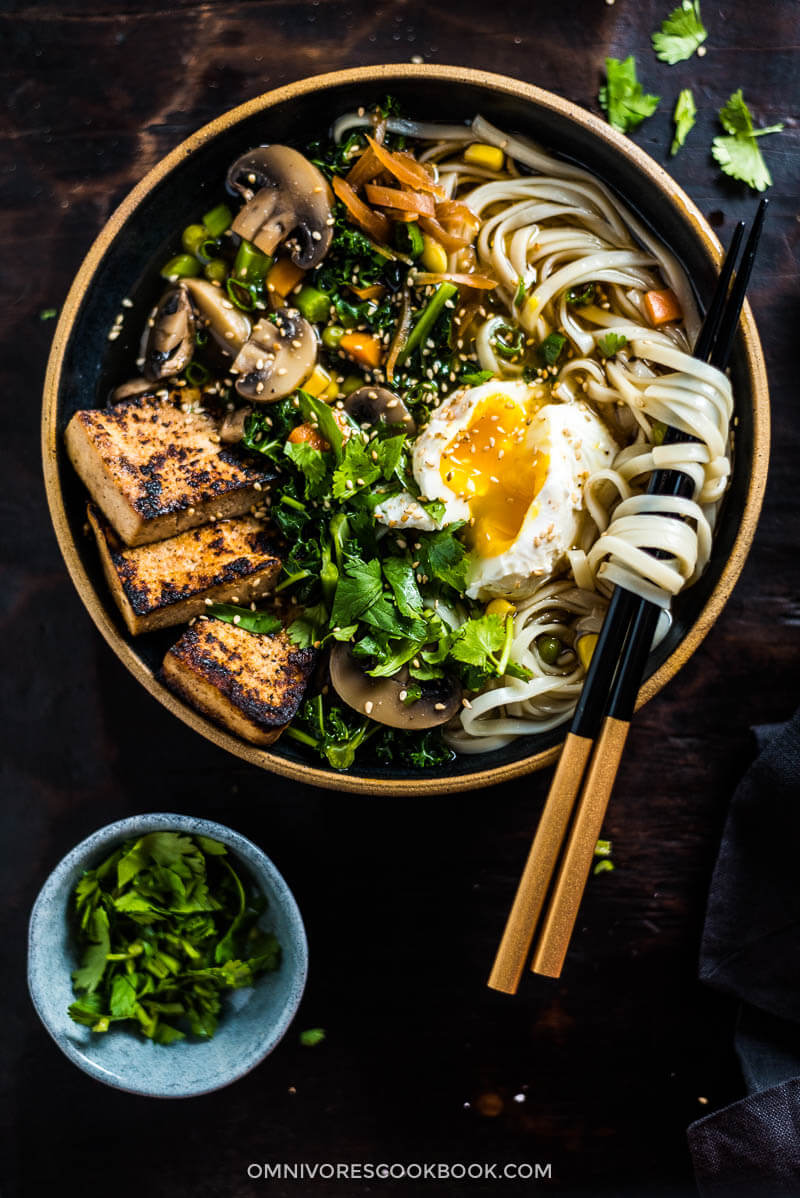
The 20-Minute Chinese Veg Noodle Soup: Simple, Healthy & Flavorful
In a culinary landscape often dominated by complex recipes and lengthy preparation times, the appeal of a genuinely quick, healthy, and satisfying meal is undeniable. Enter the **Chinese vegetable noodle soup** – a dish that embodies simplicity without sacrificing depth of flavor or nutritional value. Far from the heavy, long-simmered restaurant soups, this home-style version is a beacon of efficiency, designed to bring warmth, sustenance, and vibrant taste to your table in under 20 minutes. It's a testament to the power of fresh ingredients and aromatic seasonings, proving that healthy eating can be both effortless and incredibly delicious.
At its core, a superb **Chinese vegetable noodle soup** is a harmonious blend of clear, flavorful broth, an array of seasonal or pantry-stable vegetables, and quick-cooking noodles, all uplifted by the punchy notes of ginger, garlic, and subtle soy undertones. It's a versatile canvas, easily adapted for various dietary preferences, making it a functional comfort food that many are increasingly turning to.
Why the Chinese Vegetable Noodle Soup is Gaining Popularity
The recent surge in interest for "quick **Chinese vegetable noodle soup**" isn't a fleeting trend but a reflection of evolving dietary needs and lifestyle demands. Three primary shifts underscore its growing appeal:
1.
Combating Meal Fatigue: Many home cooks are weary of multi-step recipes and pre-packaged meal kits that promise convenience but often deliver complexity. There's a strong desire for single-vessel, sub-20-minute meals that still feel intentional and nourishing. The **Chinese vegetable noodle soup** offers precisely this – a satisfying meal with minimal fuss, perfect for unwinding after a long day or a quick, restorative lunch. It helps
Beat Meal Fatigue: Quick Chinese Vegetable Noodle Soup for Functional Comfort, providing functional comfort rather than just nostalgic indulgence.
2.
Mindful Broth Building: Increased awareness of the high sodium content in many store-bought broths has led consumers to prioritize seasoning control. Crafting broth flavor from scratch, even if it's a rapid infusion of dried mushrooms, ginger, and sesame oil, ensures a healthier, more balanced profile. This focus on building foundational flavor allows for a cleaner, more controlled taste experience, highlighting the natural goodness of the vegetables.
3.
Embracing Fiber-Forward Carbs: The preference for low-glycemic, fiber-rich carbohydrate sources is on the rise. Wheat noodles, chosen for their satisfying chew and satiety, are favored over refined rice noodles that can quickly become mushy. Beyond traditional wheat noodles, innovative options like mung bean noodles, shirataki noodles, or even spiralized zucchini offer excellent alternatives for those seeking gluten-free or low-carb versions, ensuring the soup remains a versatile and healthy choice for all.
Crafting Your Perfect Bowl: Key Elements & Customization
Achieving a balanced and flavorful **Chinese vegetable noodle soup** relies on a few core principles: clarity of broth, contrast of textures, and the vibrant appeal of whole, fresh vegetables.
*
The Broth Base: The soul of your soup. While a simple water base infused with aromatics works wonderfully, elevating it with dried shiitake mushrooms (for umami), a splash of tamari or low-sodium soy sauce, and a hint of rice vinegar can transform it. For an extra layer of savory depth, consider a tablespoon of white miso paste dissolved into the hot liquid at the end. The goal is a clear, bright broth that enhances, rather than overwhelms, the other ingredients.
*
Vibrant Vegetables: The beauty of this soup lies in its flexibility. Think beyond the usual suspects. Carrots and daikon radish offer a firm bite, while leafy greens like bok choy, spinach, or napa cabbage provide tenderness and a beautiful color contrast. Mushrooms (fresh shiitake, enoki, or oyster), snow peas, bell peppers, and water chestnuts can add diverse textures and nutrients. The key is to add vegetables in stages, starting with harder ones and finishing with delicate greens to prevent overcooking and maintain their structural integrity.
*
Noodle Nirvana: Choose noodles that hold up well to hot liquid. Thin wheat noodles (like ramen or lo mein noodles), egg noodles, or even quick-cooking vermicelli are excellent choices. For gluten-free options, explore rice vermicelli, mung bean noodles, or even buckwheat soba. If you're going low-carb, shirataki noodles or spiralized zucchini (added very last) are fantastic.
*
Aromatic Anchors: Fresh ginger, minced garlic, and the white parts of scallions are non-negotiable for that authentic Chinese flavor profile. Sautéing them briefly in a tiny bit of sesame oil at the beginning unlocks their fragrant potential and infuses the broth with an unparalleled warmth.
This soup is also incredibly adaptable. For vegans, it's already perfect! For gluten-free diners, simply opt for rice or mung bean noodles and tamari instead of soy sauce. Low-carb versions can swap traditional noodles for shirataki or spiralized vegetables.
Master Your Method: Broth-First vs. One-Pot Rapid-Boil
There are two dominant preparation approaches for your **Chinese vegetable noodle soup**, each offering distinct trade-offs in terms of time, texture, and flavor development. Choosing the right method depends on your immediate needs and preferences.
1.
Broth-First (Simmered Base): This method involves simmering your broth aromatics (dried shiitakes, sliced ginger, scallion whites, and perhaps a piece of kombu for extra umami) in water for 10-15 minutes before adding vegetables and noodles.
*
Pros: This approach yields the deepest umami flavor and the cleanest broth clarity. It's ideal if you're making multiple servings, batch-prepping broth for other dishes, or simply crave a profoundly flavorful soup base.
*
Cons: It adds about 10-15 minutes to your total cooking time and carries a slight risk of overcooking delicate greens if not timed carefully.
*
When to use it: If you have a little extra time and want a truly restaurant-quality broth experience, or if you plan to use the infused broth for other culinary creations.
2.
One-Pot Rapid-Boil: This is the ultimate quick-cook method, combining water or low-sodium broth, aromatics, and hard vegetables (like carrots or daikon) from the start. Bring everything to a boil, then add softer vegetables and noodles last.
*
Pros: This is the fastest path to the table, often under 10 minutes, with minimal cleanup. Perfect for those busy weekdays.
*
Cons: The broth, while still flavorful, may lack the layered depth of a simmered base. Noodles also require precise timing to prevent them from absorbing too much liquid or becoming gummy.
*
When to use it: When energy or focus is low, such as after travel or a particularly late workday. Your primary goal might be hydration and light sustenance without any fuss.
Understanding these methods allows you to tailor your cooking experience. For a deeper dive into these techniques and to help you master your approach, explore our article:
Broth-First or Rapid-Boil: Master Your Chinese Veg Noodle Soup Method.
Beyond the Basics: Tips for Next-Level Flavor
While the core recipe for **Chinese vegetable noodle soup** is beautifully simple, a few extra touches can elevate it from delicious to truly exceptional.
*
Toasted Sesame Oil Finish: Drizzle a tiny bit of high-quality toasted sesame oil into each bowl just before serving. Its nutty aroma adds an incredible layer of complexity.
*
Fresh Herbs & Garnishes: A sprinkle of fresh cilantro, thinly sliced green onions (the green parts!), or even a few tender basil leaves can add brightness and a burst of fresh flavor. For a touch of heat, add a dash of chili oil or Sriracha.
*
A Squeeze of Citrus: A small squeeze of fresh lime or lemon juice just before eating can cut through the richness and add a refreshing zing.
*
Optional Protein Boost: While it's a vegetable soup, you can easily add protein. Thinly sliced firm tofu (pan-fried or simmered), a soft-boiled egg, or even leftover shredded chicken or shrimp can be stirred in at the very end to warm through.
*
White Pepper Power: A pinch of white pepper, traditional in Chinese cuisine, adds a subtle warmth and distinct aroma that black pepper can't replicate.
Conclusion
The 20-minute **Chinese vegetable noodle soup** is more than just a quick meal; it's a versatile, healthy, and incredibly flavorful solution for modern lifestyles. Its intentional simplicity, adaptability, and comforting warmth make it a perfect choice for anyone seeking mindful nourishment without culinary complexity. Whether you opt for the deeper umami of a broth-first approach or the rapid gratification of a one-pot meal, this soup consistently delivers on its promise: a vibrant, wholesome bowl that satisfies both body and soul. Embrace this functional comfort food and discover your new go-to healthy meal.